Black History
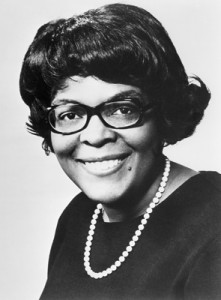
Cardiss Collins
Representative, 1973-1997, Democrat from Illinois.
Elected to 12 consecutive terms in the U.S. House of Representatives, Cardiss Collins ranks as one of the longest-serving minority women in the history of Congress. Succeeding her late husband, Representative George Collins, after his death in 1972, Cardiss Collins continued his legacy as a loyal politician in the Chicago Democratic organization directed by Mayor Richard Daley. One of only a handful of women to serve in Congress for more than 20 years, and the only black woman in the chamber for six years, Representative Collins evolved into a dedicated legislator who focused on the economic and social needs of her urban district. (more…)
Black History, Civil Rights, Government, Politics
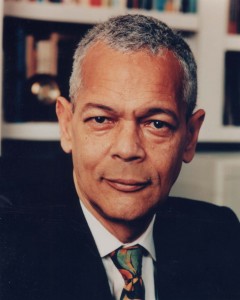
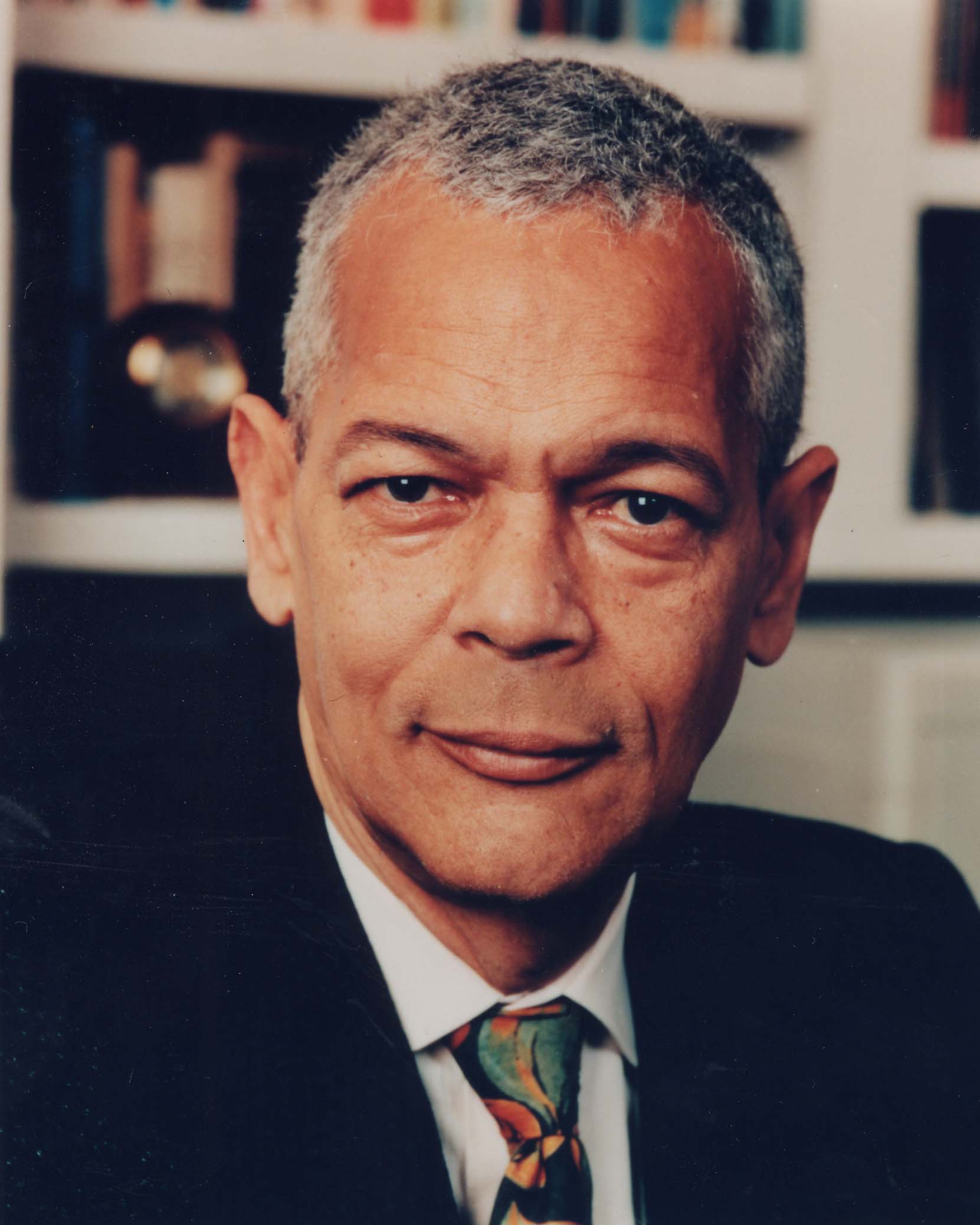
Julian Bond
HORACE JULIAN BOND (Jan. 14, 1940 – Aug. 15, 2015), U.S. legislator and black civil-rights leader, best known for his fight to take his duly elected seat in the Georgia House of Representatives. The son of prominent educators, Bond attended Morehouse College in Atlanta (B.A., 1971), where he helped found a civil-rights group and led a sit-in movement intended to desegregate Atlanta lunch counters.
In 1960 Bond joined in creating the Student Nonviolent Coordinating Committee (SNCC), and he later served as communications director for the group. In 1965 he won a seat in the Georgia state legislature, but his endorsement of a SNCC statement accusing the United States of violating international law in Vietnam prompted the legislature to refuse to admit him. (more…)
Black History, History, Other
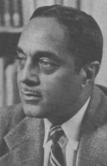
Charles H. Wesley
12-02 marks the birthday of Charles Harris Wesley in 1891. He was an African-American historian, educator, and minister who was an early proponent of African-American studies.
Born in Louisville, Kentucky, Charles Wesley attended public schools in his hometown of Louisville, Kentucky and then went on to receive a B. A. at Fisk University in 1911, an M. A. in economics at Yale University in 1913, and a Ph.D. from Harvard University in 1925. Wesley’s doctorate in history was the third awarded by Harvard to an African-American. Wesley served on the Howard University faculty from 1913 to 1942. (more…)
Black History, Civil Rights
 Smith v. Allwright , 321 U.S. 649 (1944), was a landmark decision of the United States Supreme Court with regard to voting rights and, by extension, racial desegregation. It overturned the Texas state law that authorized the Democratic Party to set its internal rules, including the use of white primaries. The court ruled that the state had allowed discrimination to be practiced by delegating its authority to the Democratic Party. This affected all other states where the party used the rule.
The Democrats had excluded minority voter participation by this means, another device for legal disfranchisement of blacks across the South beginning in the late 19th century.
Black History, Education
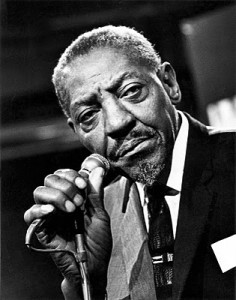
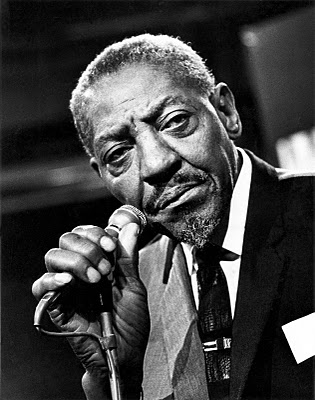
Sonny Boy Williamson II
Alex Miller (December 5, 1912 – May 25, 1965), known professionally as Sonny Boy Williamson, was an American blues harmonica player, singer and songwriter, from Mississippi. He is acknowledged as one of the most charismatic and influential blues musicians, with considerable prowess on the harmonica and creative songwriting skills. He recorded successfully in the 1950s and 1960s, and had a direct influence on later blues and rock performers.
His head stone found in or near Tutwiler, Mississippi, lists his name as Aleck Miller, his birth date as March 11, 1908 and his date of death as June 23, 1965.