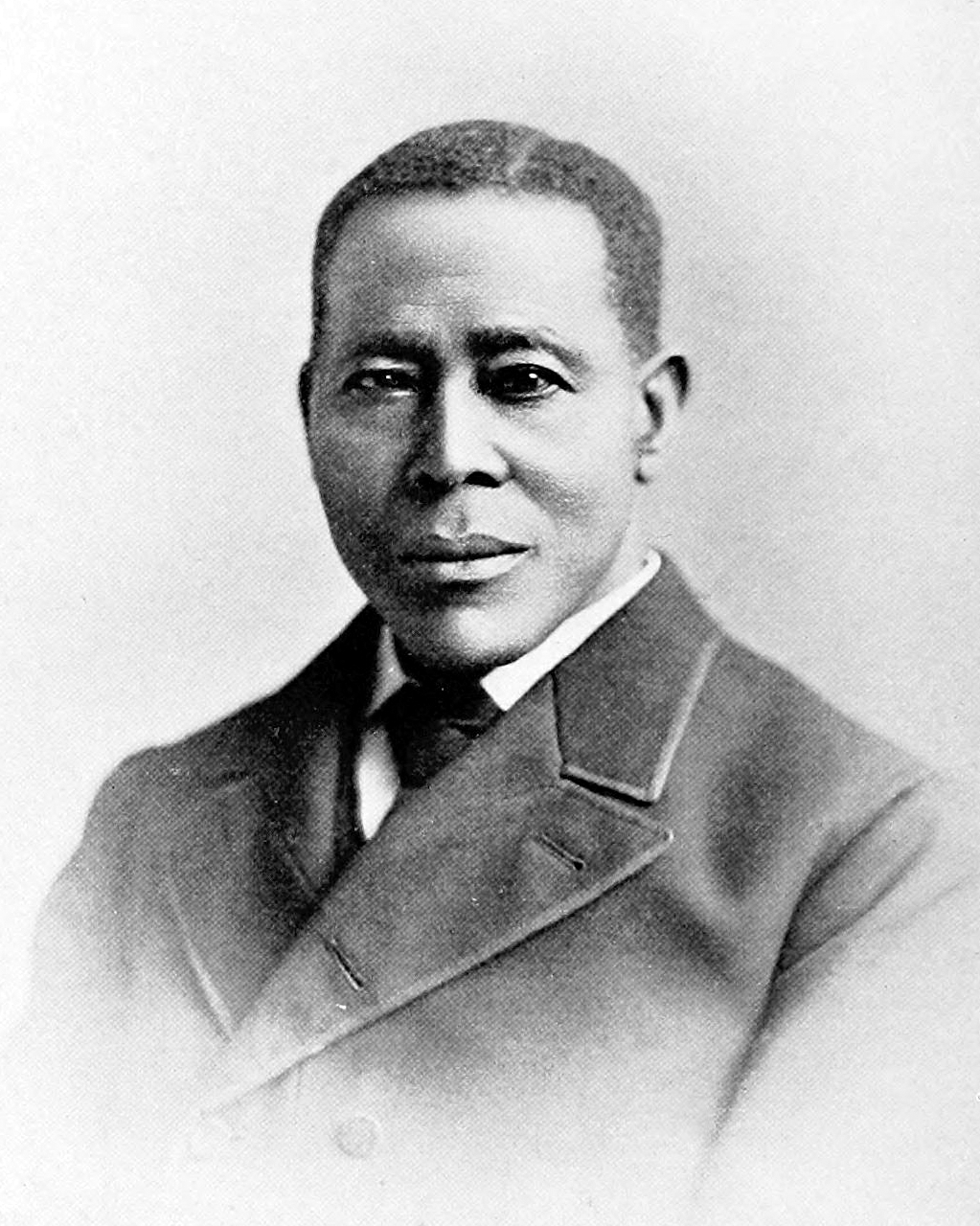
Black History, Inventions
 Dr. Thomas C. Cannon Jr. lead a group of engineers that developed the Tactical Optical Fiber Connector (TOFC). The TOFC was designed to terminate optical fiber cables used in military combat. Optical fiber cables are preferable to conventional copper cables because they are immune to electrical interference, lightweight, have a high signal carrying capacity, and do not radiate any electromagnetic energy which might be detected by the enemy.
TOFC was the first fiber optic connector actually deployed under battlefied conditions, and saw action in the Gulf War where it was used to transmit firing signals to the Patriot missile.
Black History, Civil Rights
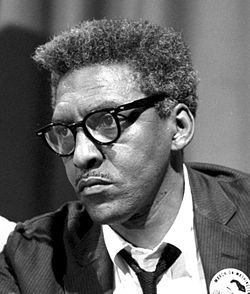
Bayard Rustin
Bayard Rustin was active in the struggle for human rights and economic Justice for over 50 years Born in 1912, he was reared in West Chester, Pennsylvania where he excelled as a student, athlete and musician. He attended Wilberforce University, Cheyney State College, the City College of New York, and the London School of Economics, earning tuition at odd jobs and singing professionally with Josh White’s Carolinians and Leadbelly.
A Quaker, Mr. Rustin placed his religious conviction above his musical interests, and in 1941 began a long association with the Fellowship of Reconciliation (FOR). Serving as its Race Relations Secretary, he toured the country conducting Race Relations Institutes designed to facilitate communication and understanding between racial groups.
(more…)
Black History, Other, Slavery
Nat Turner, the leader of a bloody slave revolt in Southampton County, Virginia, was hanged in Jerusalem, the county seat on November 11, 1831′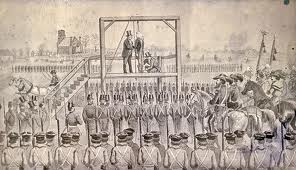
Turner, a slave and educated minister, believed that he was chosen by God to lead his people out of slavery. On August 21, 1831, he initiated his slave uprising by slaughtering Joseph Travis, his slave owner, and Travis’ family. With seven followers, Turner set off across the countryside, hoping to rally hundreds of slaves to join his insurrection. Turner planned to capture the county armory at Jerusalem, Virginia, and then march 30 miles to Dismal Swamp, where his rebels would be able to elude their pursuers. (more…)
Black History, Publishing
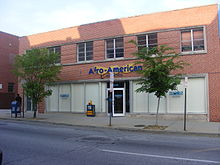
The afro-american newspaper
The Baltimore Afro-American, commonly known as The Afro, is a weekly newspaper published in Baltimore, Maryland, USA. It is the flagship newspaper of the Afro-American chain and the longest-running African-American family-owned newspaper in the United States
The newspaper was founded in 1892 by a former slave, John H. Murphy, Sr., who merged his church publication, The Sunday School Helper, with two other church publications, The Ledger and The Afro-American. The publication began to rise in prominence when, in 1922, Carl Murphy took control and served as its editor for 45 years. There have been as many as 13 editions of the newspaper in major cities across the country; today there are just two: one in Baltimore, and the other in Washington, D.C.
Black History, Other
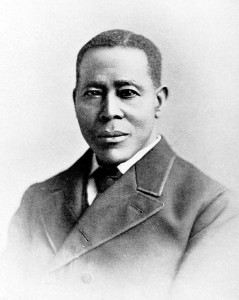
William Sill
William Still (October 7, 1821 – July 14, 1902) was an African-American abolitionist, conductor on the Underground Railroad, writer, historian and civil rights activist.
The date of William Still’s birth is given as October 7, 1821, by most sources, but he gave the date of November 1819 in the 1900 Census. He was born in Burlington County, New Jersey, to Sidney(later renamed Charity) and Levin Still. His parents had come to New Jersey from the Eastern Shore of Maryland. William was the youngest of eighteen siblings, who included Dr. James Still (1812-84) known as “the Doctor of the Pines,” Peter Still, Samuel Still, Mary Still, a teacher and missionary in the African Methodist Episcopal Church, Mahala Still (Mrs. Gabriel Thompson) and Kitturah Still, who moved to Pennsylvania.
William’s father Levin was the first of the family to move to New Jersey. A free man, he had been manumitted in 1798 in Caroline County, Maryland. Levin eventually settled in Evesham near Medford. Later Charity and their four children at the time joined Levin when she escaped; Charity was recaptured and returned with her four children to slavery, but she escaped a second time and, with her two daughters, found her way to Burlington County, to join her husband; the two sons she left behind, Levin and Peter, were sold to slave-owners in Lexington, Kentucky, and then later, sent to Alabama in the Deep South. Following her return to New Jersey Charity and Levin went on to have fourteen more children, of whom William was the youngest. (more…)