Government
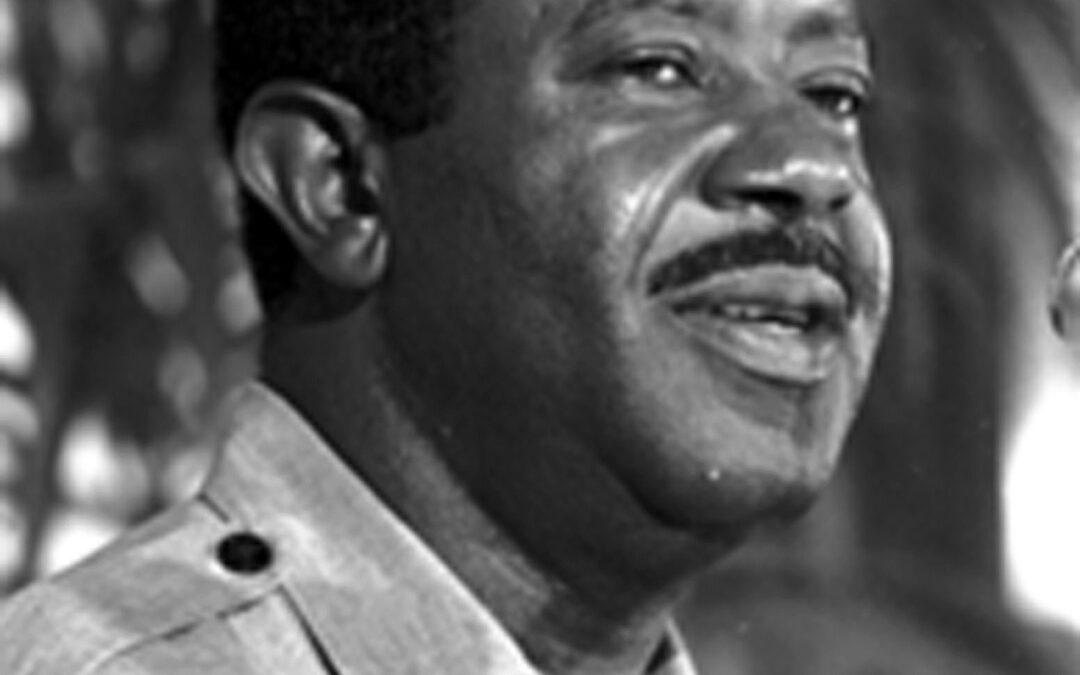
Ralph David Abernathy Sr. (March 11, 1926 – April 17, 1990) was an American civil rights activist and Baptist minister. He was ordained in the Baptist tradition in 1948. As a leader of the civil rights movement, he was a close friend and mentor of Martin Luther King Jr. He collaborated with King and E. D. Nixon to create the Montgomery Improvement Association, which led to the Montgomery bus boycott and co-created and was an executive board member of the Southern Christian Leadership Conference (SCLC). He became president of the SCLC following the assassination of King in 1968; he led the Poor People’s Campaign in Washington, D.C., as well as other marches and demonstrations for disenfranchised Americans. He also served as an advisory committee member of the Congress on Racial Equality (CORE).
In 1971, Abernathy addressed the United Nations speaking about world peace. He also assisted in brokering a deal between the FBI and American Indian Movement protestors during the Wounded Knee incident of 1973. He retired from his position as president of the SCLC in 1977 and became president emeritus. Later that year he unsuccessfully ran for the U.S. House of Representatives for the 5th district of Georgia. He later founded the Foundation for Economic Enterprises Development, and he testified before the U.S. Congress in support of extending the Voting Rights Act in 1982.
In 1989, Abernathy wrote And the Walls Came Tumbling Down, a controversial autobiography about his and King’s involvement in the civil rights movement. Abernathy eventually became less active in politics and returned to his work as a minister. He died of heart disease on April 17, 1990. His tombstone is engraved with the words “I tried”.
Continue reading this article on Wikipedia.
Civil Rights
1920 – 1999. The son of a preacher, Farmer attended Howard University’s School of Divinity. In 1942 he founded the Congress of Racial Equality (CORE), a civil rights organization that was the first in the United States to use nonviolent tactics to protest racial discrimination. In 1961, under the leadership of Farmer, the group organized “Freedom Rides” throughout the South. Volunteers traveled on interstate buses, with the blacks using the restaurants, restrooms, and waiting areas reserved for whites, and the whites using colored facilities. Attacked by mobs on several occasions, the Freedom Riders challenged the federal government to enforce the anti-segregation legislation that had recently been passed. Farmer was awarded the Presidential Medal of Freedom by President Clinton in 1998.
Religion
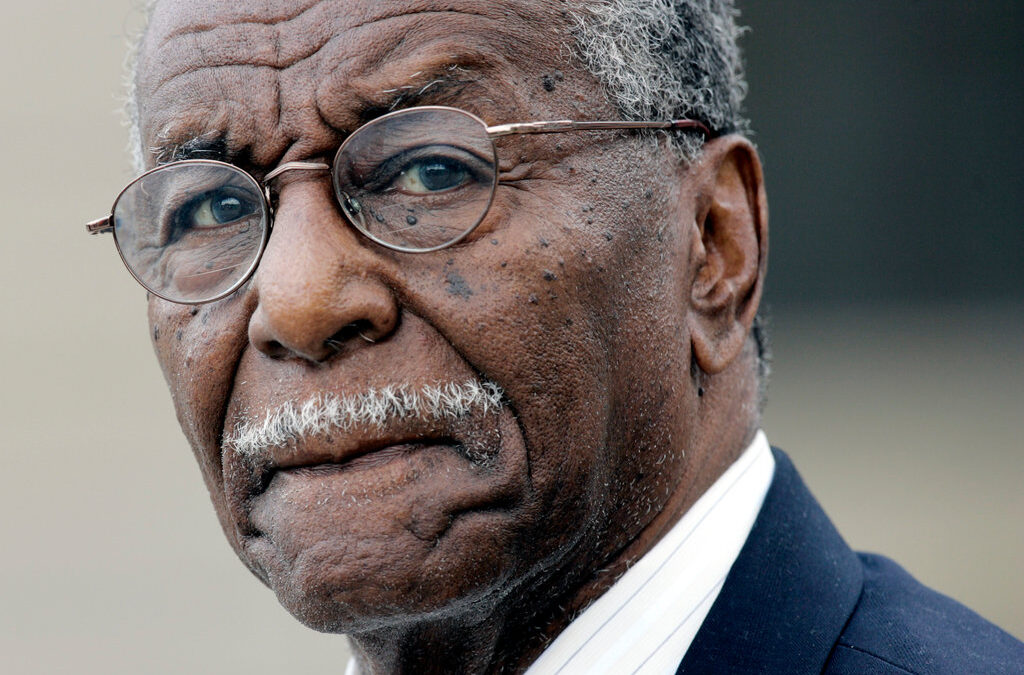
As pastor of Birmingham, Alabama’s First Baptist Church, Shuttlesworth organized the Alabama Christian Movement for Human Rights in 1956. He served as president of the group until 1969 and spearheaded the movement to integrate Birmingham’s schools, offices, and public facilities.
Shuttlesworth worked closely with Martin Luther King, Jr., establishing the Southern Christian Leadership Conference in 1958 and organizing the protests and actions in Birmingham during the spring of 1963. He was secretary of the SCLC from 1958 to 1970. He continues his campaign for racial and social justice as a minister in Cincinnati.
Slavery
1760?-1830. An African American slave in Virginia, Armistead sought and received permission from his master, William Armistead, to enlist under Gen. Marquis de Lafayette, a French officer who joined George Washington’s army during the American Revolution. Lafayette was seeking men to spy on British general Cornwallis and his army at Yorktown, Va. Impressed with Armistead’s intelligence, Lafayette had Armistead pose as a laborer looking for work. He was hired at Cornwallis’s camp and was able to relay information about Cornwallis’s plans to Lafayette. Armistead also earned the trust of Cornwallis, who asked him to spy on the Americans. As a double agent, Armistead was able to move freely between both camps. He provided Lafayette with critical information that enabled the general to intercept Cornwallis’s much-needed naval support and ultimately defeat Cornwallis at Yorktown in Oct. 1781, the decisive battle that ended the Revolution.
After the war, Armistead returned to the Armistead plantation as a slave. He met with Lafayette in 1784, when the general visited the United States. He wrote a glowing recommendation for his former spy, which Armistead used when he petitioned the Virginia House of Delegates for freedom. He was finally freed on New Year’s Day 1787. He assumed Lafayette as his surname and spent the rest of his life as a farmer in Virginia.
Slavery
1811 – 1852.b. Sierra Leone, Africa. Cinqu
