Black History, Education
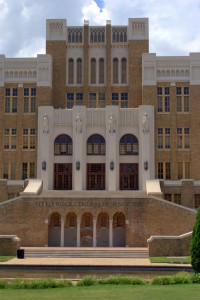
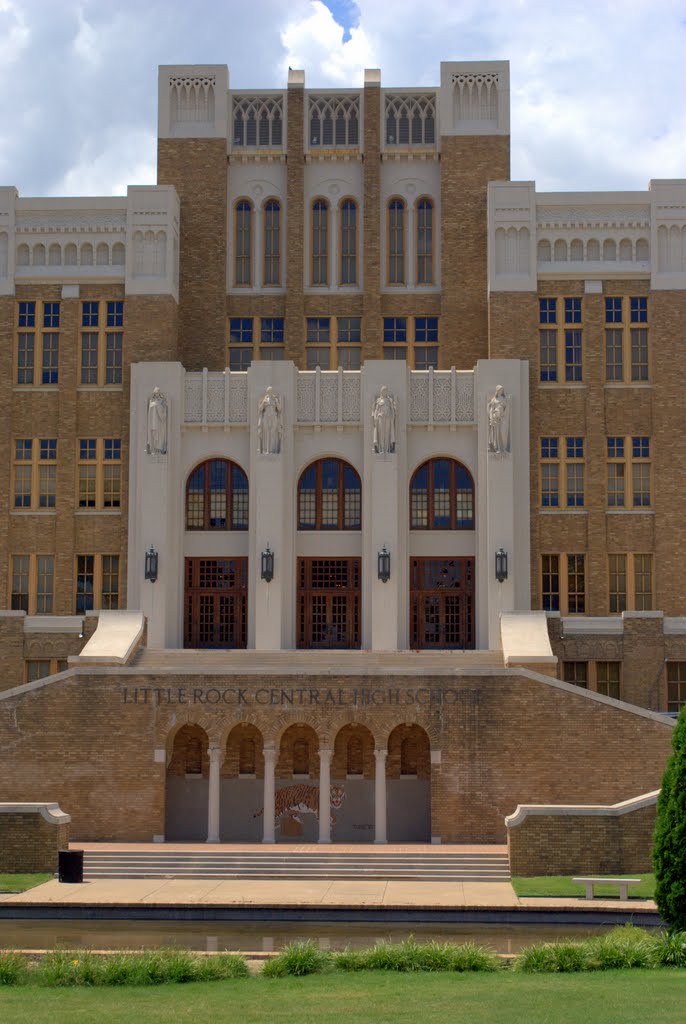
Little Rock Central HS
Three years after the U.S. Supreme Court ruled unanimously in Brown v. Board of Education that separate educational facilities are inherently unequal, nine African American students—Minnijean Brown, Terrance Roberts, Elizabeth Eckford, Ernest Green, Thelma Mothershed, Melba Patillo, Gloria Ray, Jefferson Thomas, and Carlotta Walls—attempted to integrate Central High School in Little Rock, Arkansas.
The students, known as the Little Rock Nine, were recruited by Daisy Bates, president of the Arkansas branch of the National Association for the Advancement of Colored People (NAACP). As president of the Montgomery Improvement Association, Martin Luther King wrote President Dwight D. Eisenhower requesting a swift resolution allowing the students to attend school. (more…)
Black History, Education
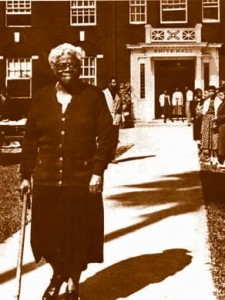
Dr. Mary Bethune in front of White Hall on the campus of Bethune-Cookman College in Daytona Beach, Florida
Mary McLeod Bethune founded the Daytona Educational and Industrial Training School in 1904. The school underwent several stages of growth and development through the years and in 1923, it merged with the Cookman Institute of Jacksonville, Florida and became a co-ed high school. A year later in 1924, it became affiliated with the Methodist Church. By 1931, the school had become a junior college.
The school became a four-year college in 1941 when the Florida Board of Education approved a 4-year baccalaureate program in Liberal Arts and Teacher Education. The name was changed to Bethune-Cookman College.On February 14, 2007, the Board of Trustees approved the name Bethune-Cookman University after the institution established its first graduate program.
In October 2010 the American Association of University Professors accused the university administration of improperly dismissing tenured members of the faculty—some for alleged sexual harassment (but, in the opinion of the AAUP, without due process), others for “budgetary reasons” but without a declaration of “financial exigency”. The university responded saying that the AAUP report contained errors and a one-sided view. (more…)

Black History, Education
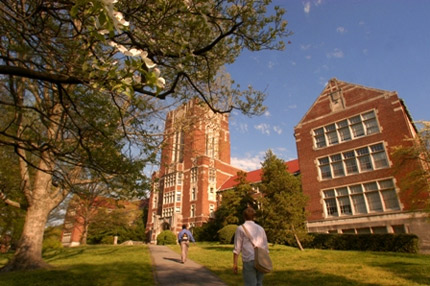
University of Tennessee
The most significant event in the college’s history, however, was not military but political: the passage of the Morrill Act by Congress in 1862 providing for the granting of federally owned lands to states that would establish public agricultural and mechanical colleges.
East Tennessee University was designated in 1869 by the state legislature as the land-grant institution of the state and thereby the recipient of the proceeds of the properties allocated by law to Tennessee. The value of the real estate involved was almost $400,000, providing a boon to the college’s fortunes. (more…)
Black History, Education
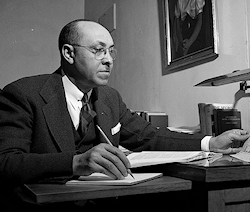
Ambrose Caliver
A major contributor to the field of adult education, Dr. Ambrose Caliver devoted much of his professional life to adult literacy. While this area continued to occupy his interest and best efforts, he also took an active role in such matters as displaced persons, human rights, public affairs, aging, and professional development of adult educators.
Born in 1894, Caliver began his career as a high school principal in Tennessee. Before his death in 1962 he served in the following capacities: faculty member at Fisk University; specialist in the education of Negroes, United States Office of Education; organizer of the National Advisory Committee on the Education on Negroes. (more…)
Black History, Education, Slavery
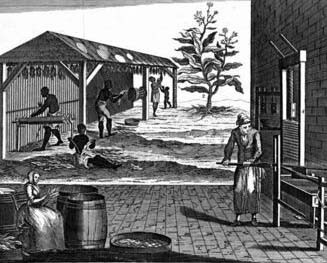 Soon after Union troops had captured and occupied the southern city of Natchez, Mississippi, in the summer of 1863, northern missionaries set about establishing the region’s first schools for freedpeople. But they were surprised to learn that at least one school already existed, and it had been in operation for many years.
Even more astounding, the students at this school were slaves and so was their teacher, Lily Ann Granderson. (Other sources identify her as Milla Granson and Lila Grandison.) Although a small number of slaves learned to read and write in the antebellum South, schools for slaves and slave teachers were extraordinarily uncommon. (more…)
Black History, Education
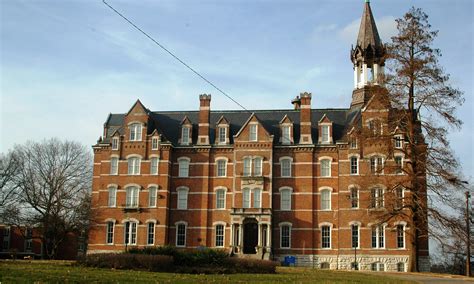 “In 1865, barely six months after the end of the Civil War and just two years after the Emancipation Proclamation, three men”John Ogden, the Reverend Erastus Milo Cravath, and the Reverend Edward P. Smith ”established the Fisk School in Nashville.
The school was named in honor of General Clinton B. Fisk of the Tennessee Freedmen’s Bureau, who provided the new institution with facilities in former Union Army barracks near the present site of Nashville’s Union Station. In these facilities Fisk convened its first classes on January 9, 1866. The first students ranged in age from seven to seventy, but shared common experiences of slavery and poverty ” and an extraordinary thirst for learning. (more…)