Black History, Music
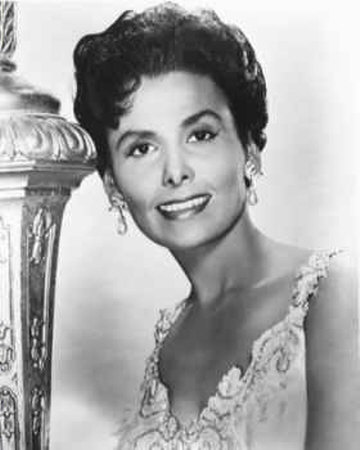
Lena Horne
b. 1917 – Lena Home is known and loved not only for her musical and dramatic talents but also for her continual interest in and support of many humane causes. She started in show business with the chorus line at the Cotton Club in 1933. From there she toured with Noble Sissle’s orchestra, and she later joined Charlie Barnett’s band, with which she made her first records.
In the early 1940s Home went to Hollywood, where she became the first black woman to sign a term contract in film. Her films include Panama Hattie (1942), Cabin in the Sky (1943), and Stormy Weather (1943). (more…)
Black History, Education
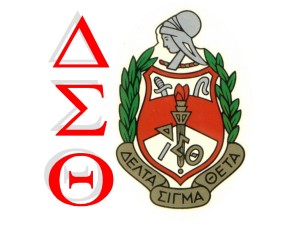 Delta Sigma Theta Sorority emerged on Howard University in 1913. Twenty-two college women committed to sisterhood, maintained high scholastic standards, and were compelled to become advocates in a society that was undergoing change. The founders were Osceola Macarthy Adams, Marguerite Young Alexander, Winona Cargile Alexander, Ethel Cuff Black, Bertha Pitts Campbell, Zephyr Chisom Carter, Edna Brown Coleman, Jessie McGuire Dent, Frederica Chase Dodd, Myra Davis Hemmings, Olive C. Jones, Jimmie Bugg Middleton, Pauline Oberdorfer Minor, Vashti Turley Murphy, Naomi Sewell Richardson, Mamie Reddy Rose, Eliza P. Shippen, Florence Letcher Toms, Ethel Carr Watson, Wertie Blackwell Weaver, Madree Penn White, and Edith Motte Young. (more…)
Black History, Medicine, Publishing
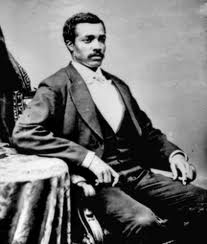
Miles V Lunk
Miles Vandahurst Lynk was born near the small town of Brownsville, TN on June 3, 1871 in Haywood County. He was the first-born son of former slaves who made their living off of a small family farm. At the age of six, Miles Lynk’s father was killed in an accident and the young boy was forced to take on adult responsibilities in helping his mother on the farm.
In spite of the hard times, Lynk’s mother insisted that her son attend the rural black schools in the region at least five months a year. She spent much of her time tutoring him herself. She covered the gaps in his education with what books she could acquire and the young boy became a voracious reader. They made enough money from the farm to hire a private tutor and Miles’ was able to study advanced academic subjects and gained an able education. (more…)
Black History, Slavery
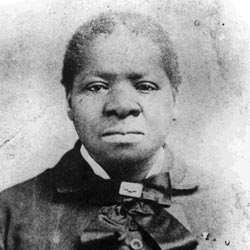
Bridget ‘Biddy’ Mason
1818-1891 – Born into slavery, Biddy Mason traveled from Mississippi to southern California with plantation owners Robert and Rebecca Smith and their family and slaves. But before the Smiths could whisk the group away to the slave state of Utah to retain ownership of their slaves, Mason enlisted the aid of two black Los Angeles businessmen and gained freedom for herself and her family.
Finally able to choose her own path in life, Mason earned a good income as a nurse-midwife for both newly arrived immigrants and wealthy clients and subsequently gained respect in the community. Through donations, she supported charities that helped the needy of Los Angeles and that helped build the first African Methodist Episcopal church in California. In 1989 a memorial depicting Mason’s achievements was erected in Los Angeles.
Artists, Black History
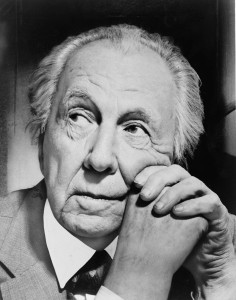
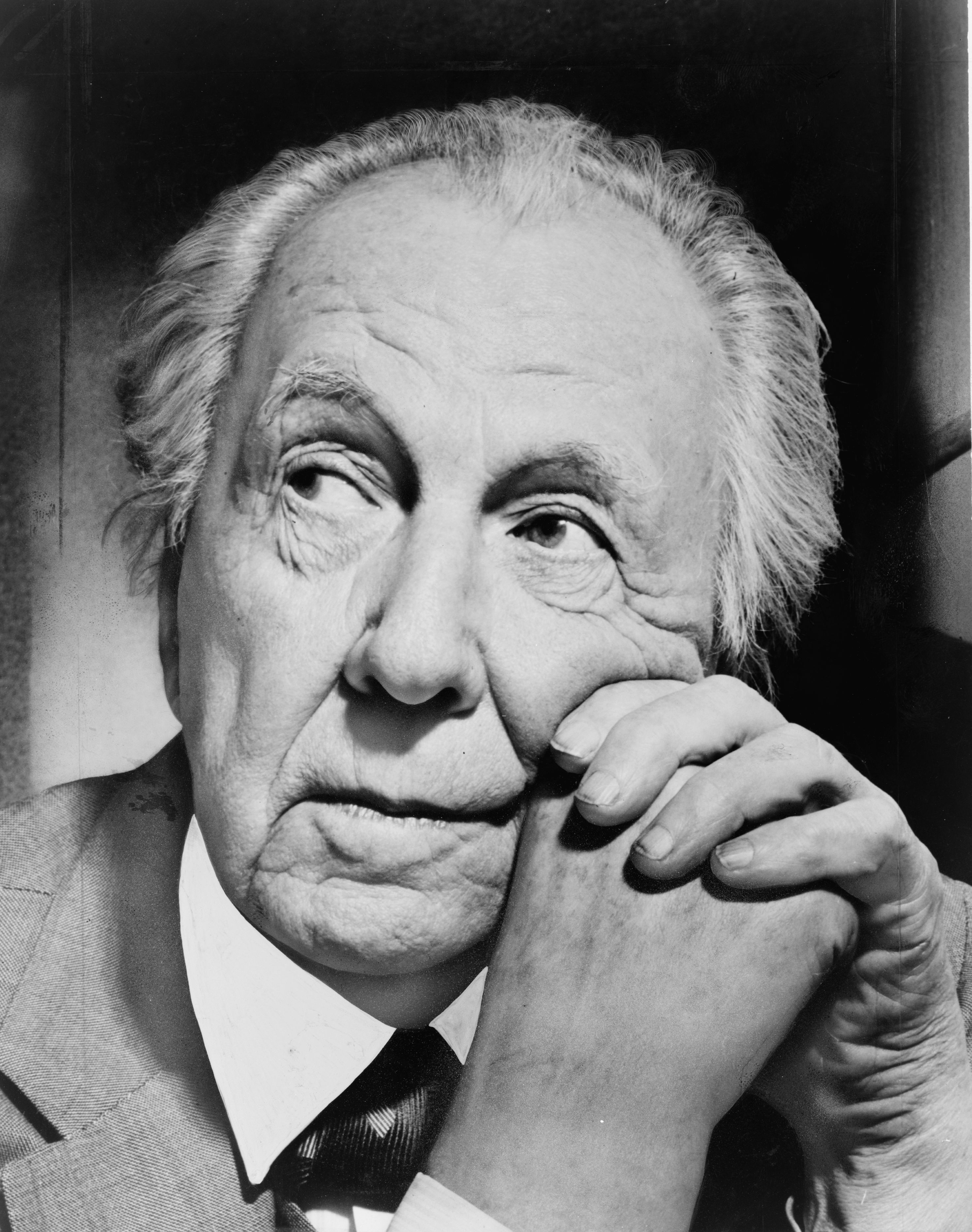
Frank Lloyd Wright
Frank Lloyd Wright (born Frank Lincoln Wright) lived from 1867 to 1959. During most of these years, from 1885 to 1959, he was a prolific architect, with close to 500 of his designs built (and hundreds more remaining unbuilt) – a career lasting three quarters of a century, and unequaled in output.
Mr. Wright worked for architects J. Lyman Silsbee and Louis Sullivan, and he later himself trained many architects at his Taliesin School. Frank Lloyd Wright expoused “organic architecture” and is responsible for the Prairie and Usonian residential styles. (more…)
Black History, Military

U.S.S. Mason
On March 20, 1944, at the Charleston shipyard in Boston, MA, the USS Mason was commissioned, or placed into active service, by the Governor of the state, the city’s mayor, and the ship’s new captain, William M. Blackford. The ship sailed for Belfast, Ireland, its first port of call, to join the British and American “Battle of the Atlantic.”
During W.W.II only one American Navy warship carried an African American crew into combat, The U.S.S. Mason. It was the job of smaller, easier to handle destroyer escort ships, like the USS Mason, to guard and protect the larger merchant vessels which carried badly needed supplies between the US and Europe. The mission of D. E?s was to stop German submarines, or U-boats, from sinking the larger ships with their deadly torpedoes. Although segregated on this one navel fighting ship, the men of the USS Mason were well-trained and bravely accepted and carried out the job they were given. (more…)