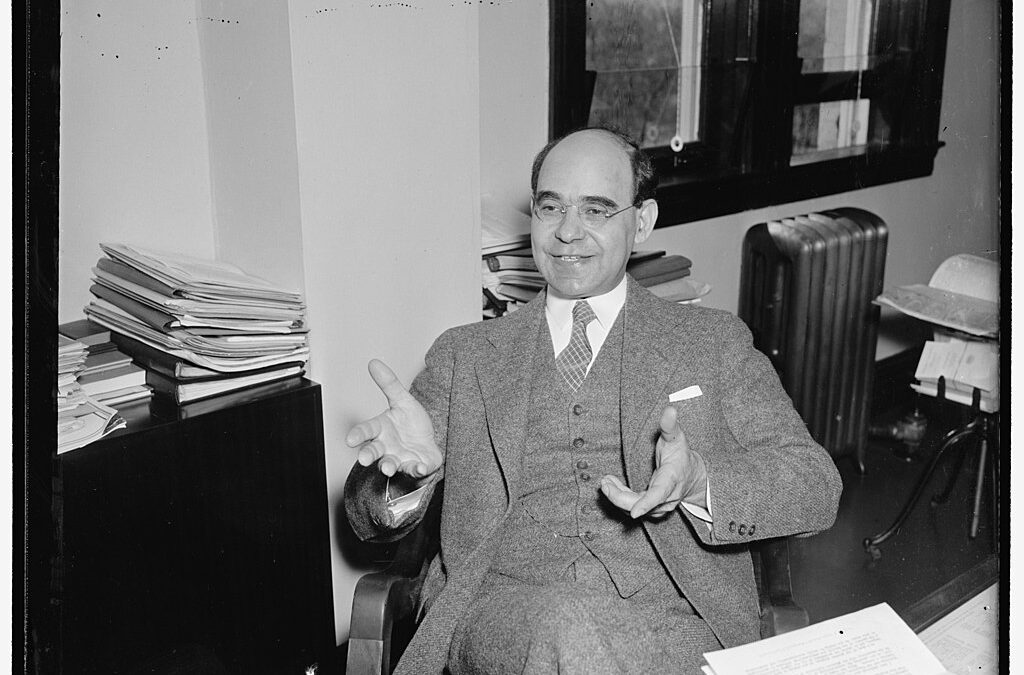
Education
Mordecai Wyatt Johnson (January 4, 1890 – September 10, 1976) was an American educator and pastor. He served as the first African American president of Howard University from 1926 until 1960. Johnson has been considered one of the three leading African American preachers of the early 20th-century, along with Vernon Johns and Howard Thurman.
Johnson was born on January 12, 1890, in Paris, Tennessee, to parents who were former slaves. His father was Reverend Wyatt J. Johnson, a preacher and mill worker. His mother, Carolyn Freeman, was a domestic worker for one of the prominent families in town.
Read more of this article on Wikipedia.
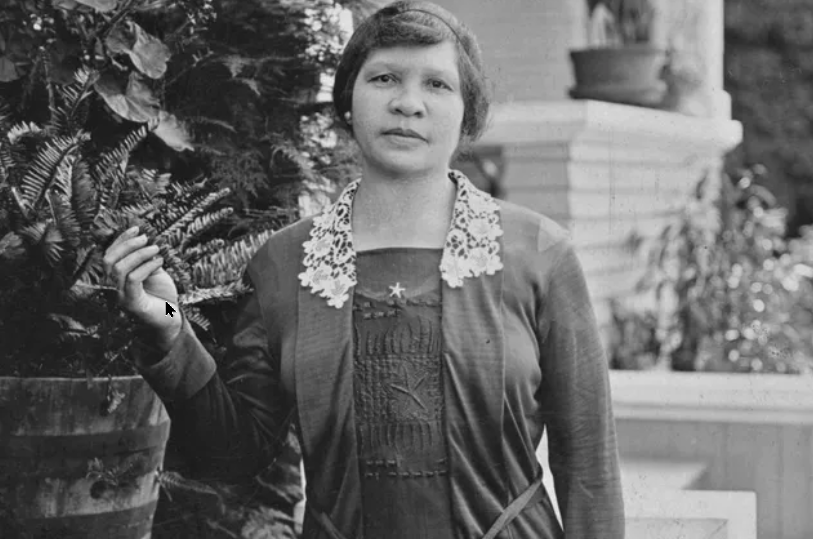
Publishing
Charlotta Amanda Spears Bass (February 14, 1874 – April 12, 1969) was an American educator, newspaper publisher-editor, and civil rights activist. She also focused on various other issues such as housing rights, voting rights, and labor rights, as well as police brutality and harassment.[1] Bass is believed to be the first African American woman to own and operate a newspaper in the United States; she published the California Eagle from 1912 until 1951.[2] In 1952, Bass became the first African American woman nominated for Vice President, as a candidate of the Progressive Party.
Due to her activities, Bass was repeatedly accused of being part of the Communist Party, for which there was no evidence and which Bass herself repeatedly denied. She was monitored by the FBI, who continued to view her as a potential security threat until she was in her nineties.
Reas more of this article on Wikipedia.
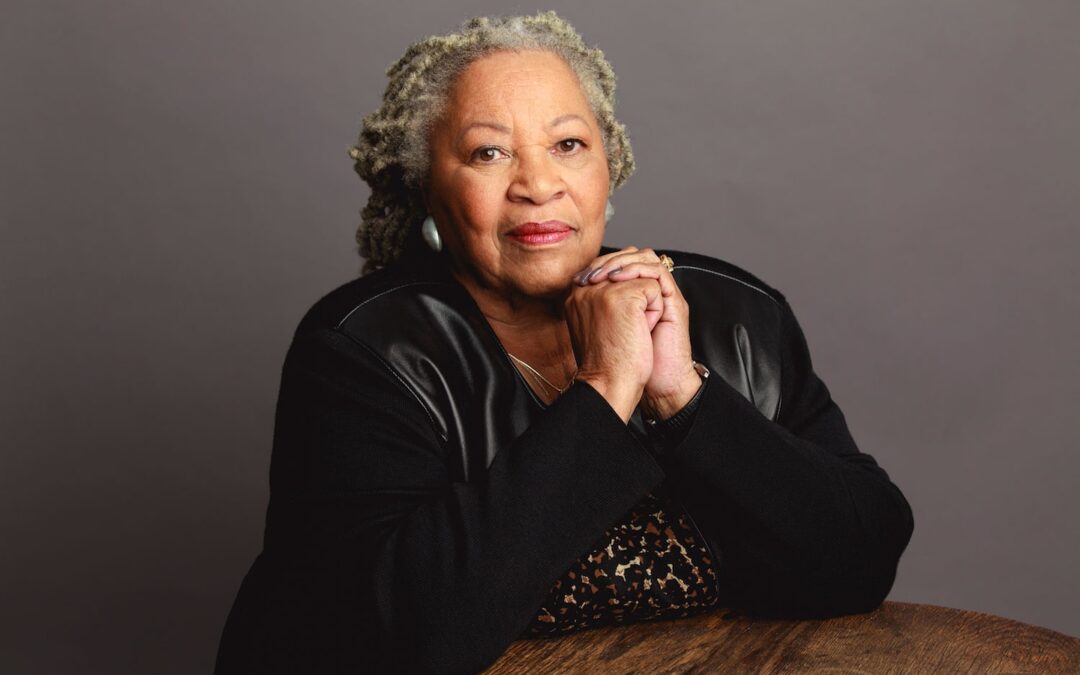
Literature
Toni Morrison was born in Lorain, Ohio, in the United States. Her works comprise novels and essays. In her academic career she is a professor in the humanities at the University of Princeton, New Jersey.
She has written six novels, each of them of great interest. Her oeuvre is unusually finely wrought and cohesive, yet at the same time rich in variation. One can delight in her unique narrative technique, varying from book to book and developed independently, even though its roots stem from Faulkner and American writers from further south. The lasting impression is nevertheless sympathy, humanity, of the kind which is always based on profound humour.
“Song of Solomon” (1978) with its description of the black world in life and legend, forms an excellent introduction to the work of Toni Morrison. Milkman Dead’s quest for his real self and its source reflects a basic theme in the novels. The Solomon of the title, the southern ancestor, was to be found in the songs of childhood games. His inner intensity had borne him back, like Icarus, through the air to the Africa of his roots. This insight finally becomes Milkman’s too.
“Beloved” (1987) continues to widen the themes and to weave together the places and times in the network of motifs. The combination of realistic notation and folklore paradoxically intensifies the credibility. There is enormous power in the depiction of Sethe’s action to liberate her child from the life she envisages for it, and the consequences of this action for Sethe’s own life.
In her latest novel “Jazz” (1992), Toni Morrison uses a device which is akin to the way jazz itself is played. The book’s first lines provide a synopsis, and in reading the novel one becomes aware of a narrator who varies, embellishes and intensifies. The result is a richly complex, sensuously conveyed image of the events, the characters and moods.
As the motivation for the award implies, Toni Morrison is a literary artist of the first rank. She delves into the language itself, a language she wants to liberate from the fetters of race. And she addresses us with the lustre of poetry.
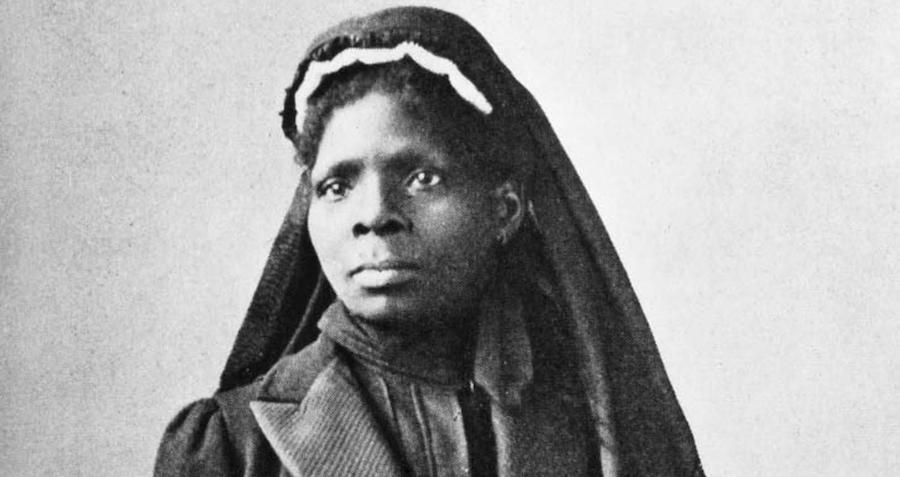
Medicine
Susie King Taylor served African American troops during the Civil War for more than 4 years and did so without pay. Taylor’s male relatives joined the 33rd U.S. Colored Infantry and she stayed with their unit, traveling up and down the Georgia coast as a laundress, cook, and nurse. Taylor also taught classes for the men. She had learned to read and write in a secret slave school during childhood. Later in the war, Taylor tended the men of the famous black regiment, the Massachusetts 54th and worked with Clara Barton, founder of the Red Cross. After the war, Taylor opened a school for the newly freed black children of Savannah, Georgia and wrote the story of her life, My Life in Camp, the only such account of the Civil War by a black woman.
Entertainment
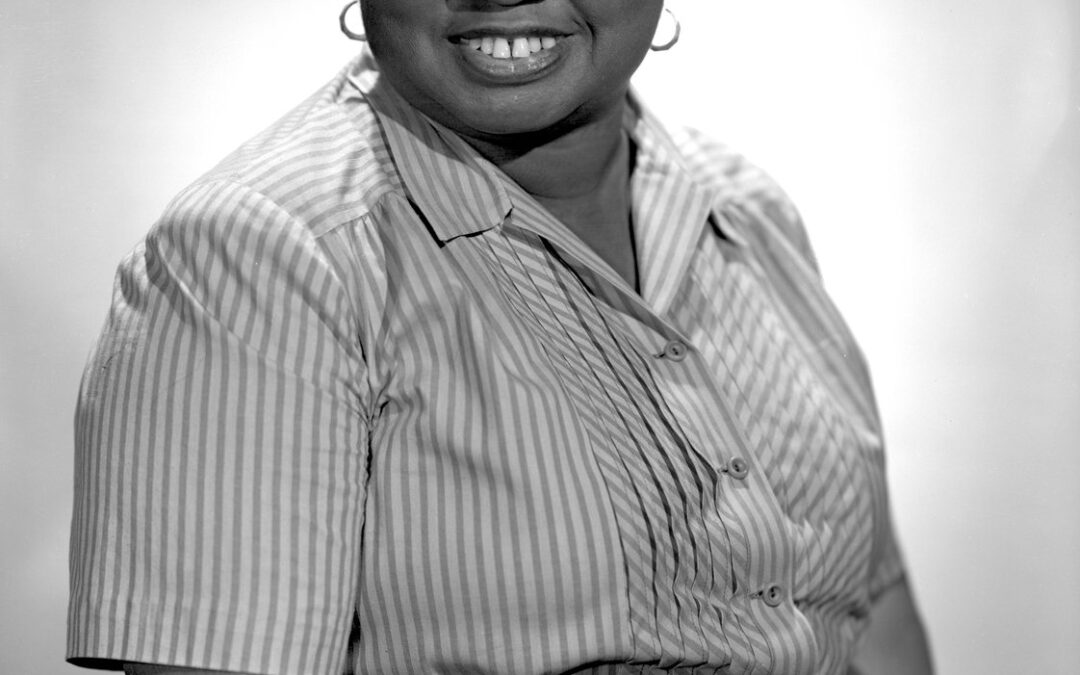
Hattie McDaniel (June 10, 1893 – October 26, 1952) was an American actress, singer-songwriter, and comedienne. For her role as Mammy in Gone with the Wind (1939), she won the Academy Award for Best Supporting Actress, becoming the first African American to win an Oscar. She has two stars on the Hollywood Walk of Fame, was inducted into the Black Filmmakers Hall of Fame in 1975, and in 2006 became the first black Oscar winner honored with a U.S. postage stamp. In 2010, she was inducted into the Colorado Women’s Hall of Fame.
In addition to acting, McDaniel recorded 16 blues sides between 1926 and 1929 and was a radio performer and television personality; she was the first black woman to sing on radio in the United States. Although she appeared in more than 300 films, she received on-screen credits for only 83. Her best known other major films are Alice Adams, In This Our Life, Since You Went Away, and Song of the South.
McDaniel experienced racism and racial segregation throughout her career, and as a result, she was unable to attend the premiere of Gone with the Wind in Atlanta because it was held in a whites-only theater. At the Oscars ceremony in Los Angeles, she sat at a segregated table at the side of the room. In 1952, McDaniel died of breast cancer. Her final wish, to be buried in Hollywood Cemetery, was denied because at the time of her death, the graveyard was reserved for whites only.
Publishing
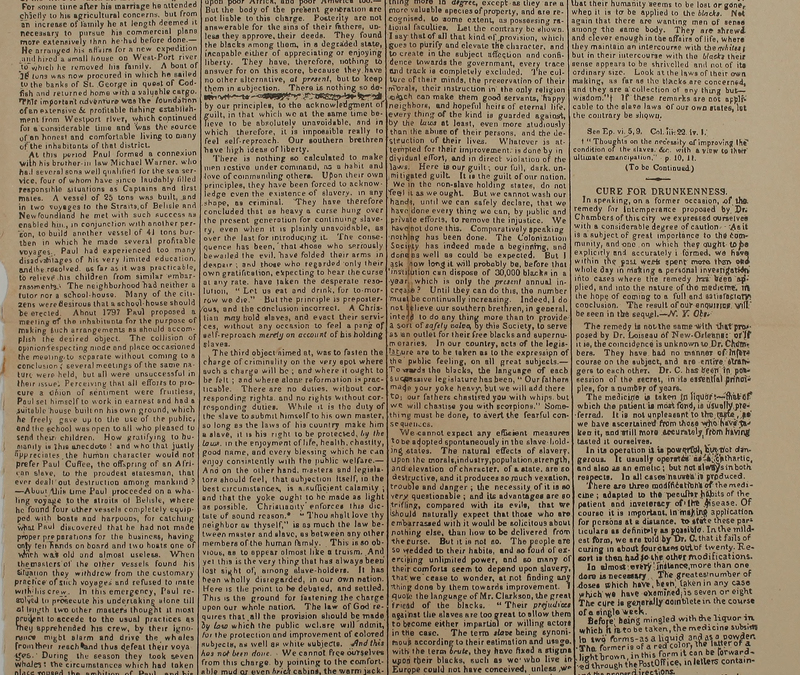
Freedom’s Journal was founded on March 16, 1827 as a four-page, four-column standard-sized weekly. The newspaper was also the first black-owned and operated newspaper in the United States, and was established the same year that slavery was abolished in New York State. The paper attempted to respond to racist material published in other forms of media.
Samuel E. Cornish and John B. Russwurm served as editors. Freedom’s Journal was similar to other reform papers in that its contents consisted of current events, anecdotes, and editorials and was used to address contemporary issues such as slavery and “colonization,” a concept which was conceived by members of The American Colonization Society, a mostly white pro-emigration organization founded in 1816 to repatriate free black people to Africa. Freedom’s Journal provided its readers with regional, national, and international news. It sought to improve conditions for newly freed black men and women living in the North. Freedom’s Journal published birth, death and wedding announcements. To encourage black achievement it featured biographies of renowned black figures such as Paul Cuffee, a black Bostonian who owned a trading ship staffed by free black people.
Russwurm became sole editor of Freedom’s Journal following the resignation of Cornish in September 1827, and began to promote the colonization movement. The majority of the public did not support the paper’s radical shift in support of colonization, and in March 1829, Freedom’s Journal ceased publication. Soon after, Russwurm emigrated to the American Colonization Society of Liberia, and became governor of the Maryland Colony.
