Sports
The youngest (18) and first minority to win U.S. Amateur in 1994, won it again in ’95 and ’96; turned pro in Sept. of ’96 and won the fifth event he entered, the Las Vegas Invitational; in first full year on the tour, he won 6 of 25 events and broke the single season money record; won 1997 Masters by a record 18 under par and 13 stroke margin of victory; won second major at 1999 PGA Championship; in 2000 won the U.S. Open at Pebble Beach by a record 15 strokes, the British Open by 8 strokes and the PGA Championship in a playoff; one of only five players to win all four Grand Slam titles (others are Hogan, Nicklaus, Player and Sarazen); held all four Major titles simultaneously after his win at 2001 Masters; is already the all-time career money leader on the PGA Tour.
Entertainment
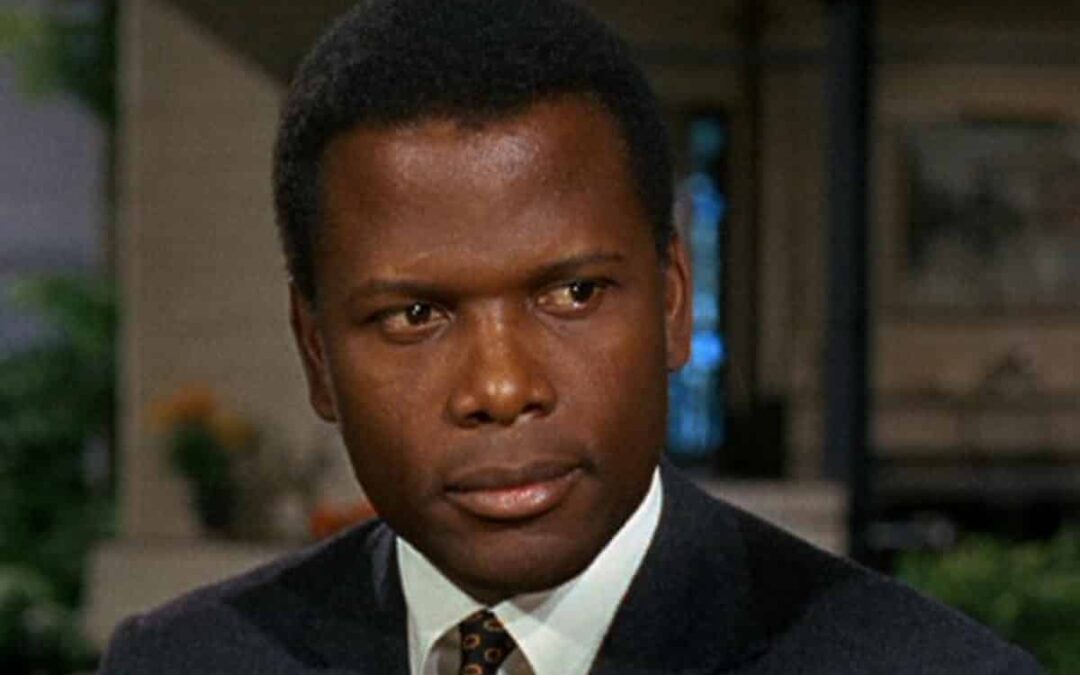
b. Miami. The first African-American actor to achieve the status of a leading man in Hollywood films, Poitier combined poise with an innate projection of dignity and self-assurance. Many of his films have addressed issues of race directly, including the pioneering No Way Out (1950); the internationally acclaimed Cry, the Beloved Country (1951), after Alan Paton’s novel; The Defiant Ones (1957), the film that established Poitier; Lilies of the Field (1963; Academy Award); Guess Who’s Coming to Dinner? (1967), which treated the subject of interracial marriage; and In the Heat of the Night (1967). He turned to direction in 1971, and retired from acting soon thereafter. Among his films is the top-grossing Stir Crazy (1980). In 1988, he returned to the screen, portraying Thurgood Marshall in the television film Separate But Equal.
Medicine
In the spring of 1721, a smallpox epidemic erupted in Boston, killing nearly 1,000 people. Born in Africa, Onesimus, a house slave owned by one of the leading ministers of colonial New England, told about “buying the smallpox,” the inoculation he remembered from African in which people infected themselves with the smallpox disease to create immunity. Mather had read of inoculation in British scientific journals and knew the public opposed it as natural and dangerous. Relying on Onesimus’ knowledge, Mather persuaded Dr. Zabdiel Boylston to experiment with inoculation, which he did on his own son. The experiment was a success, and Dr. Boylston began inoculating a convinced public. Onesimus’ knowledge of smallpox inoculation saved countless lives.
The Arts
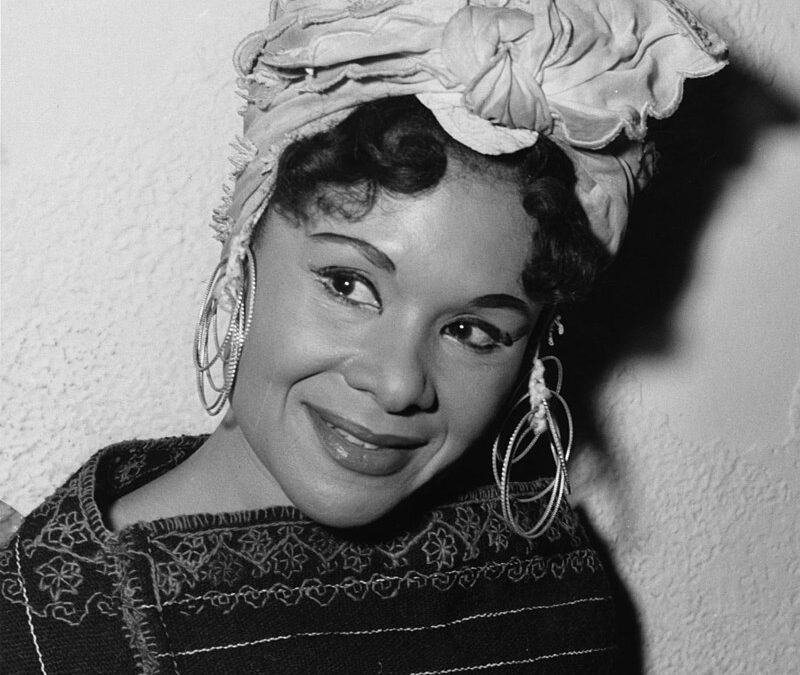
b. Chicago. She studied anthropology at the Univ. of Chicago, where she began her studies on dances of the Caribbean. In addition to teaching anthropology, from the late 1930s until the 1960s, she directed her own dance company, which toured the United States and Europe. Her choreography combines Caribbean and African movements and rhythms with those of modern dance.
In 1965, she accepted a position as adviser to the cultural ministry of Senegal. In 1967, she became director of the Performing Arts Training Center at the East St. Louis branch of Southern Illinois Univ., where she works with youth groups. Through her choreography, teaching, and appearances in different media, she brought African dance to the attention of the public and exerted tremendous influence on the evolution of modern dance. Her works include Chorus and Bal Negre. She also choreographed the film Cabin in the Sky (1940) and Aida (1963) at the Metropolitan Opera in New York City.
Government
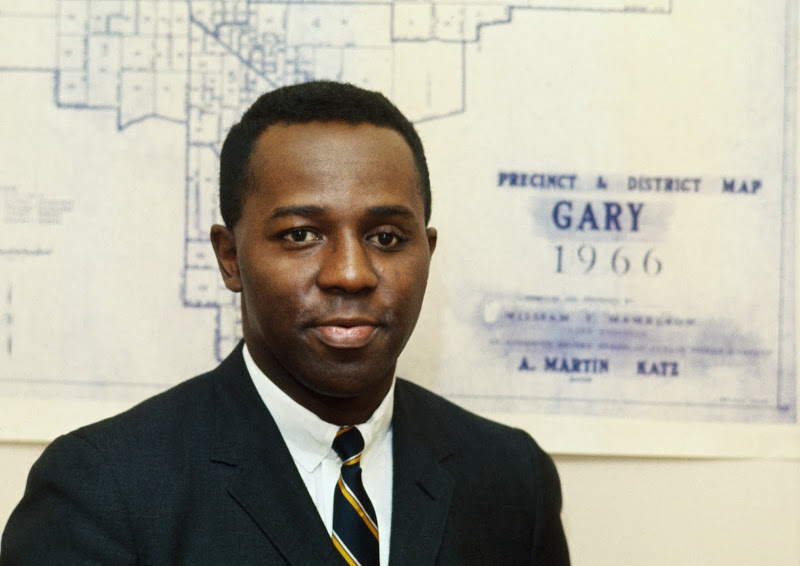
Hatcher was elected mayor of Gary, Ind., in 1967, and he remained in office for the next 20 years. A Democrat, he was one of the first blacks to serve as mayor of a major U.S. city. Hatcher was also a longtime friend and advisor to the Rev. Jesse Jackson. He served as Jackson’s campaign chairman in the 1984 presidential race and as an advisor in the 1988 race.
Hatcher attended Indiana University, receiving his BS in 1956. He subsequently earned a law degree at Valparaiso University in 1959. He moved to Gary and began practicing law in East Chicago, Ind. He served as a deputy prosecutor for Lake County, Ind., from 1961 to 1963, when he was elected to Gary’s city council. After having served as mayor of Gary for five terms, he was defeated in a bid for a sixth term in the 1987 Democratic primary. Hatcher started his own consulting firm, R. Gordon Hatcher & Associates, in 1988, and he began teaching law at Valparaiso University in 1989. He ran again for mayor of Gary in 1991 but was defeated in the primary.

Politics
(UNIA), primarily in the United States, organization founded by Marcus Garvey (q.v.), dedicated to racial pride, economic self-sufficiency, and the formation of an independent black nation in Africa. Though Garvey had founded the UNIA in Jamaica in 1914, its main influence was felt in the principal urban black neighbourhoods of the U.S. North after his arrival in Harlem, in New York City, in 1916.
Garvey had a strong appeal to poor blacks in urban ghettos, but most black leaders in the U.S. criticized him as an imposter, particularly after he announced, in New York, the founding of the Empire of Africa, with himself as provisional president. In turn, Garvey denounced the NAACP and many black leaders, asserting that they sought only assimilation into white society. Garvey’s leadership was cut short in 1923 when he was indicted and convicted of fraud in his handling of funds raised to establish a black steamship line. In 1927, President Calvin Coolidge pardoned Garvey but ordered him deported as an undesirable alien.
The UNIA never revived. Although the organization did not transport a single person to Africa, its influence reached multitudes on both sides of the Atlantic, and it proved to be a forerunner of black nationalism, which emerged in the U.S. after World War II.
