Abolition, Black History
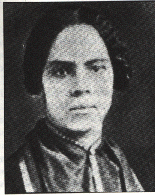 Maria W. Stewart (Maria Miller) (1803 – February 6, 1880) was an African-American journalist, lecturer, abolitionist, and women’s rights activist. Although her career was brief it was very striking. Maria W. Stewart started off her career as a domestic servant. She later became an activist.
She was the first American woman to speak to a mixed audience of men and women, whites and black. She was also the first African- American woman to lecture about women’s rights, make a public anti-slavery speech and the first African-American woman to make public lectures. Stewart has had two pamphlets published in the Liberator, including “Religion and Pure Principles of Morality, the Sure Foundation on Which We Must Build”. In this pamphlet she advocated abolition and black autonomy. Her second pamphlet was more religious-based. (more…)
Black History, Music, The Arts
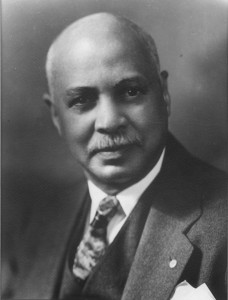
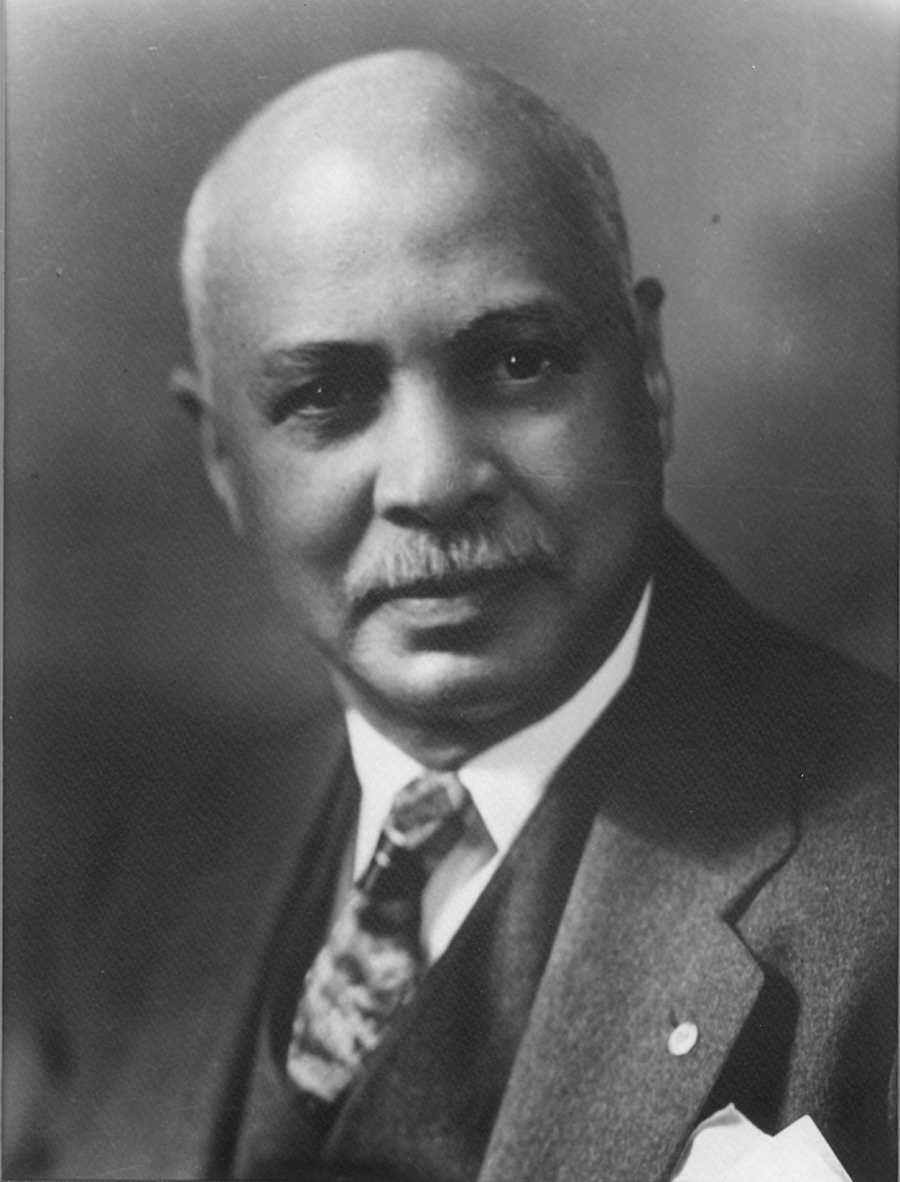
W.C. Handy
1873-1958 b. Florence, Ala. William Christopher Handy was largely self-taught, Handy began his career as a cornet player in a minstrel show in 1896, and later organized various small bands.
He was among the first to set down the blues, and with his Memphis Blues (1912), originally entitled Mr. Crump (1909), he rose to prominence. His songs, such as St. Louis Blues (1914) and Beale Street Blues (1917), are the classic examples of their type.
In 1918 he moved from Memphis to New York City and remained active as a writer and publisher of music, in spite of growing blindness, until shortly before his death. (more…)
Black History, Education
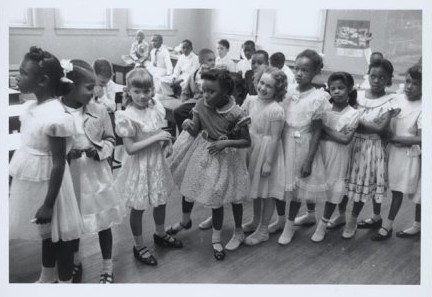
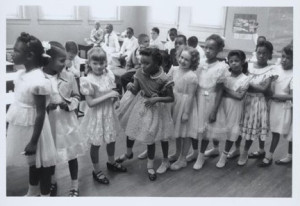 Desegregation of the Baltimore City Public School System happened in 1956 after the United States Supreme Court ruled, in the case of Brown v. Board of Education, that segregation in schools went against constitutional law. Desegregation of American schools was a pivotal part of the civil rights movement, as no progress in the civil rights movement would have been made if America’s schools remained segregated.
Following the Supreme Court ruling cities all across America began to desegregate. Baltimore, the largest city in the state of Maryland, desegregated all its public schools following the Supreme Court’s decision, and the events that followed the desegregation in Baltimore, were both interesting and important to the civil rights movement across America. Recent scholarship has begun to revisit the importance of the desegregation of Baltimore’s public schools and identify it as an important precursor to the Greensboro sit-ins. (more…)
Black History, Events
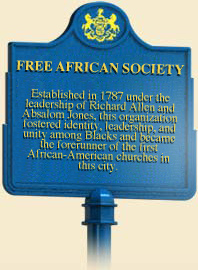 Richard Allen and Absalom Jones formed the Free African Society in Philadelphia, a mutual aid society designed to provide socioeconomic guidance to newly freed people. Among its main objectives were teaching thrift and saving to build wealth in the community. These mutual aid societies and fraternities served as a model for banks later formed in the black community.
By the late 1700s there were nearly 2,000 free blacks in Philadelphia. The community had a strong need to establish financial institutions to support businesses and to provide a secure place for accumulating wealth. In 1778, Richard Allen and Absalom Jones, two ministers, founded the first quasi-financial organization in Philadelphia. These leaders understood the connection between saving and investing and economic growth and stability. Within 10 years, the society had a balance of 42.416 pounds on deposit at the Bank of North America. By 1838 the number of benevolent organizations grew to 100, with membership recorded as 7,448.
Similar organizations were established in Boston, New York, Baltimore, and other cities with large black populations. Although these organizations kept their money on deposit at many local banks, by the mid-19th century African Americans found it increasingly difficult to secure credit supporting commerce and industry. In the years leading up to the Civil War, there was extensive conversation about African Americans establishing their own bank.

Black History
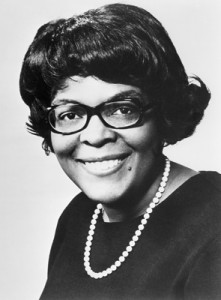
Cardiss Collins
Representative, 1973-1997, Democrat from Illinois.
Elected to 12 consecutive terms in the U.S. House of Representatives, Cardiss Collins ranks as one of the longest-serving minority women in the history of Congress. Succeeding her late husband, Representative George Collins, after his death in 1972, Cardiss Collins continued his legacy as a loyal politician in the Chicago Democratic organization directed by Mayor Richard Daley. One of only a handful of women to serve in Congress for more than 20 years, and the only black woman in the chamber for six years, Representative Collins evolved into a dedicated legislator who focused on the economic and social needs of her urban district. (more…)
Black History, Civil Rights, Government, Politics
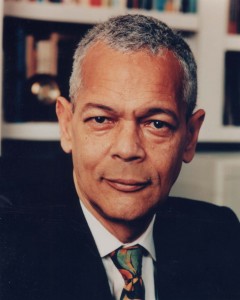
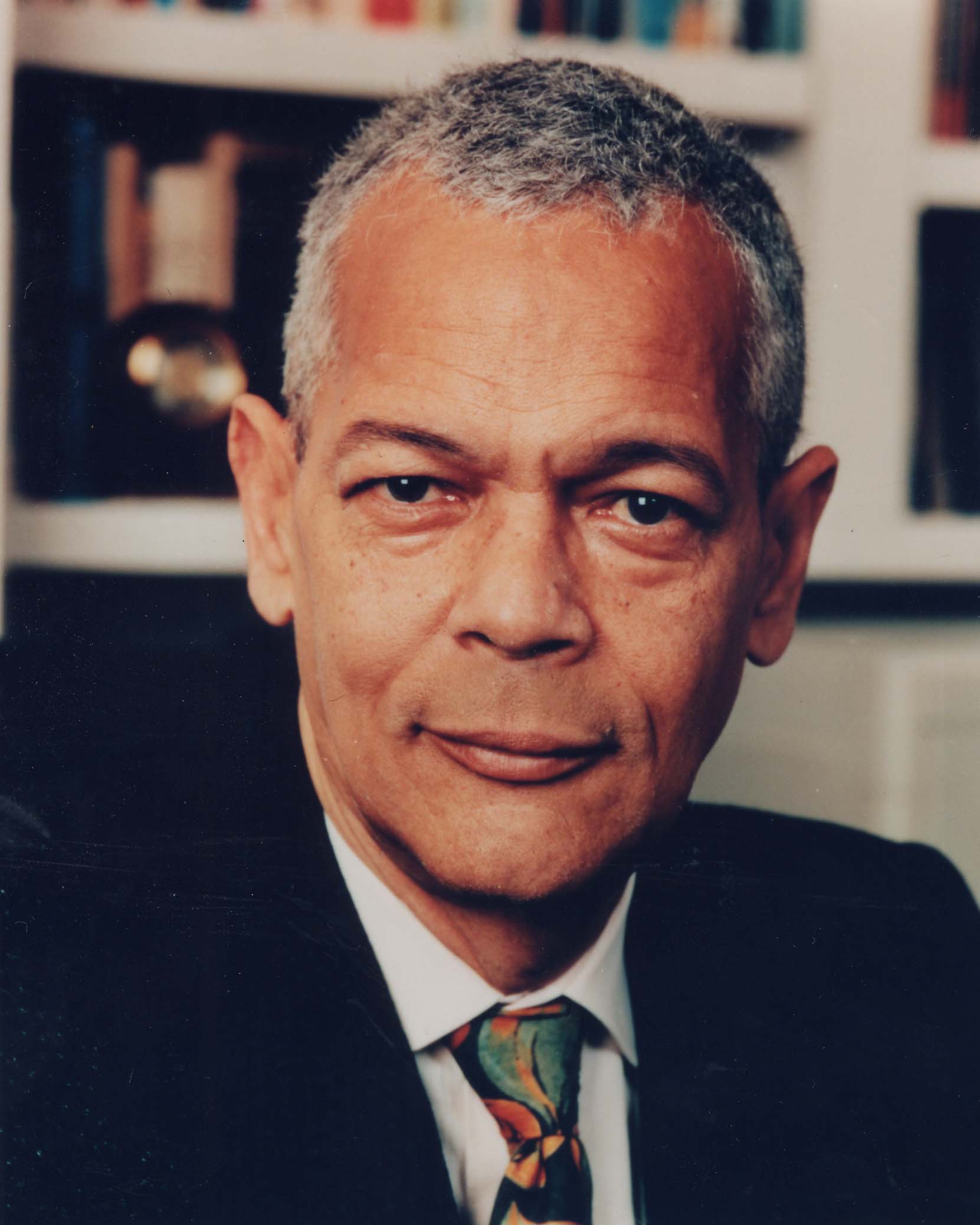
Julian Bond
HORACE JULIAN BOND (Jan. 14, 1940 – Aug. 15, 2015), U.S. legislator and black civil-rights leader, best known for his fight to take his duly elected seat in the Georgia House of Representatives. The son of prominent educators, Bond attended Morehouse College in Atlanta (B.A., 1971), where he helped found a civil-rights group and led a sit-in movement intended to desegregate Atlanta lunch counters.
In 1960 Bond joined in creating the Student Nonviolent Coordinating Committee (SNCC), and he later served as communications director for the group. In 1965 he won a seat in the Georgia state legislature, but his endorsement of a SNCC statement accusing the United States of violating international law in Vietnam prompted the legislature to refuse to admit him. (more…)