Abolition
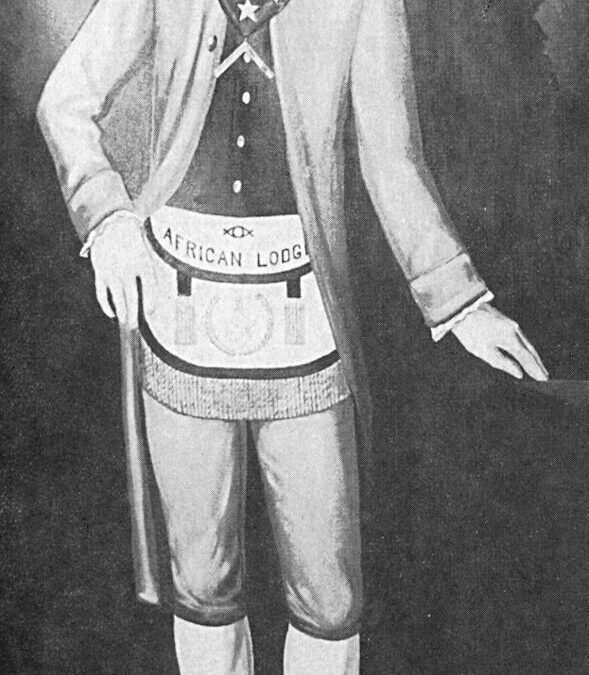
1748 – 1807. Hall established the African Lodge of the Honorable Society of Free and Accepted Masons of Boston in 1775. It was the first lodge of black Freemasons in the world. The lodge received a permanent charter from the Grand Lodge of England in 1784. The secret fraternity, which still exists, promoted brotherly love and social, political, and economic improvement for its members.
Hall arrived in Boston in 1765 and was a slave for William Hall. He was freed in 1770, shortly after the Boston Massacre, and worked at a variety of jobs, including as a leather worker for the Boston Regiment of Artillery. He was one of a few black men who fought at the Battle of Bunker Hill.
Hall became a minister in the African Methodist Episcopal Church and advocated black rights and the abolition of slavery. He opened a school for black children in his home.
Entertainment
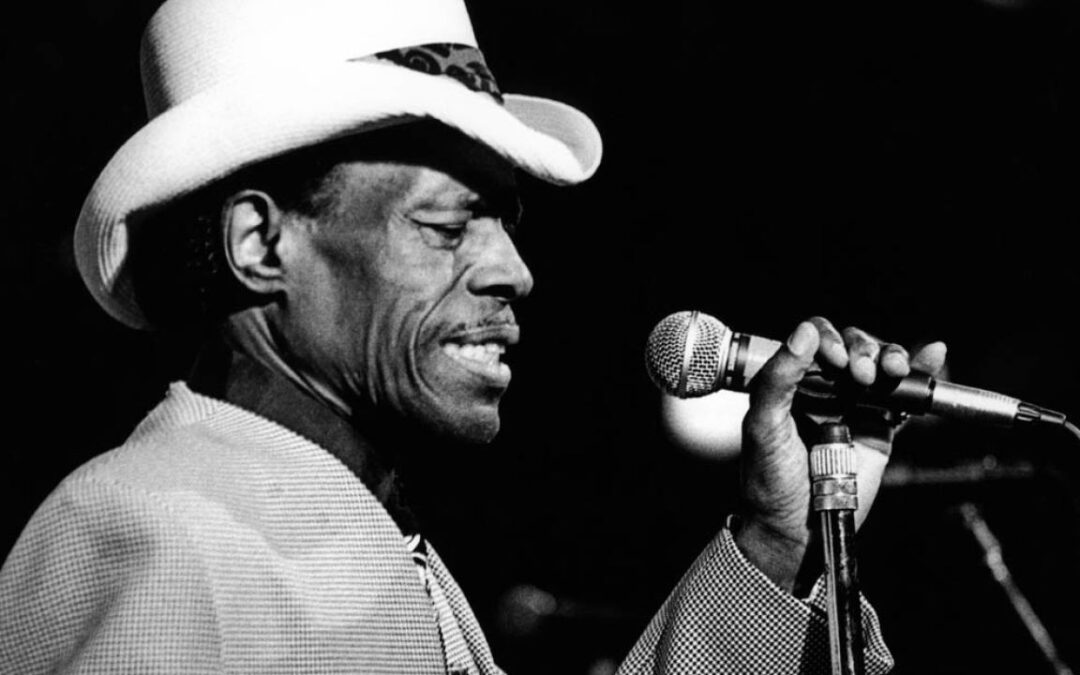
Junior Wells (born Amos Wells Blakemore Jr.; December 9, 1934 – January 15, 1998) was an American singer, harmonica player, and recording artist. He is best known for his signature song “Messin’ with the Kid” and his 1965 album Hoodoo Man Blues, described by the critic Bill Dahl as “one of the truly classic blues albums of the 1960s”. Wells himself categorized his music as rhythm and blues.
Wells performed and recorded with various notable blues musicians, including Muddy Waters, Earl Hooker, and Buddy Guy.[3] He remained a fixture on the blues scene throughout his career and also crossed over to rock audiences while touring with the Rolling Stones.[4] Not long before Wells died, the blues historian Gerard Herzhaft called him “one of the rare active survivors of the ‘golden age of the blues'”.
Read more of this article on Wikipedia.
Education
1874-1958. b. Richmond, Va. The daughter of former slaves, Randolph became a teacher at age 16. As a teacher at the Mountain Road School in Virginia’s Henrico County, Randolph taught her students woodworking, sewing, cooking, and gardening, as well as academics. In 1908 she was named the first Jeanes Supervisor Industrial Teacher. In this position she oversaw 23 schools in Henrico County, training rural black teachers and improving the curriculum at each of the schools. She chronicled her progress in the Henrico Plan, which became a reference for many Southern schools. The Virginia Randolph Training School opened in 1915 and expanded to include dormitories. The school is now called the Virginia Randolph Education Center.
Entertainment
The Chalk Line Walk as it was originally known became popular around 1850 in the Southern Plantations. It originated in Florida by the African-American slaves who got the basic idea from the Seminole Indians (couples walking solemnly). Many of the special movements of the cake-walk, the bending back of the body, and the dropping of the hands at the wrists, amongst others, were a distinct feature in certain tribes of the African Kaffir dances. The Breakdown and Walk Around a Minstrel parody later to be named the Cakewalk was one of the main sources of the Chalk Line Walk.These “Walkers” as they were called, would walk a straight line and balance buckets of water on their heads. Over time the dance evolved into a exaggerated parody of the white, upper class ballroom figures who would imitate the mannerisms of the “Big House” (masters house) with such dignified walking, bowing low, waving canes, doffing hats, and high kicking grand promenade.
By the 1890’s, the Cakewalk was the hottest thing around and Charles Johnson & Dora Dean are said to have introduced the Cakewalk in 1893. However in 1889 The Creole Show would feature the Cakewalk and in 1892 the first Cakewalk contest was held in a New York ballroom). Williams and Walker Inspired a Cakewalk in the play “Clorindy” origin of the Cakewalk. The Cakewalk sheet music would also list the March and Two-Step as dance options to the song so white audiences would be interested in buying it even if they did not know the Cakewalk. It was first introduced upon the Broadway stage by Dave Genaro.
The Idea of the Cakewalk was that of a couple promenading in a dignified manner, high stepping and kicking, mimicking high society. Some of the better plantation owners would bake a cake on Sundays and invite the neighbors over and have a contest of the slaves, different prizes were given but originally it was a cake and whoever won would get the cake…thus the term “That Takes The Cake!” and the name “Cakewalk” was now set. The Minstrel shows of the time would paint their faces black and at the end of the show would do a “Grand Finale,” which often times was the Cakewalk.
The competition dancers were called “Walkers” and these dance contests grew very big, such as the National Cakewalk Jubilee in New York City as well as others, where the champions would receive gold belts and diamond rings.
There were two categories of contests:
1) the “Grand Straight Cakewalk” ( regular type) and
2) the “Fancy Cakewalk”, (Dressed up type)
the doors would open at 7:00p.m., contest at 11:00p.m., and dancing would continue till 5:00am. These Cakewalk dance contests eventually would be held in big cities as Tin-Pan Alley would make a fortune off of the dance and the Rag- time music they would produce.
The Cakewalk was the first American dance to cross over from black to white society as well as from the stage (Minstrel shows) to ballroom. The Cakewalk would be the window for other African-American dances to enter white society in the future. The Cakewalk eventually died in the 1920’s, but there were still traces of the Cakewalk in the newer, more modern forms of dance, even the Lindy hop had the Apache and the Cakewalk thrown in as can be seen in the “Shorty George” video clip in “At The Jazz Band Ball” Video.
Sports
1903 – 1976
Hubbard won the long jump at the 1924 Olympics, becoming the first black athlete to win an Olympic gold medal in an individual event; set the long jump world record in 1925 (25-103/4) and tied the 100-yard dash record (9.6) in 1926.
The Arts
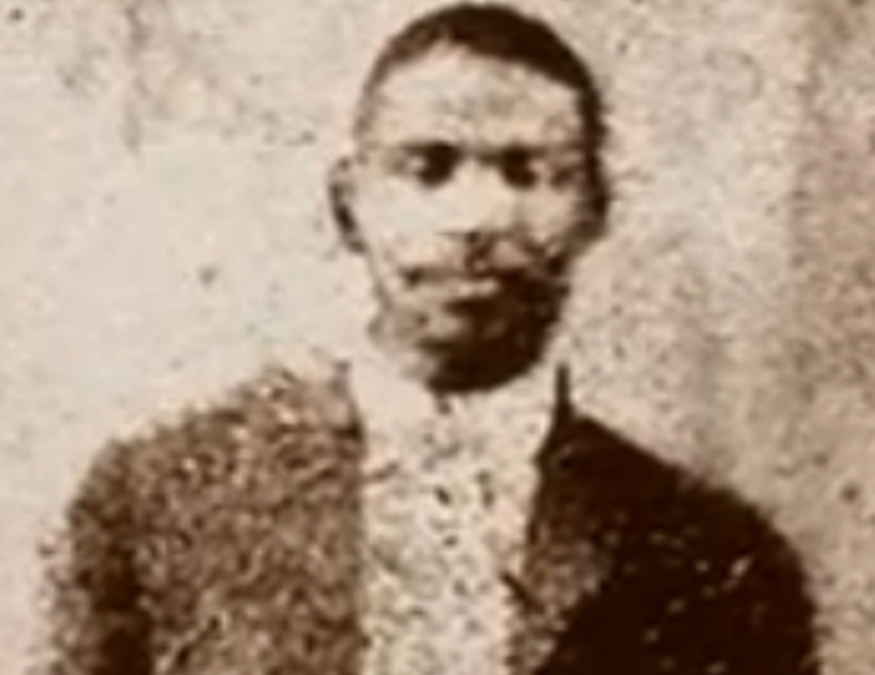
byname of CHARLES BOLDEN (b. 1868, New Orleans, La., U.S.–d. Oct. 4, 1931, New Orleans), cornetist and semilegendary founding father of jazz. He was said by many jazz musicians, including the great trumpeter Louis Armstrong, to have been one of the most powerful musicians ever to play jazz.
Little is known about the details of Bolden’s career, but it is documented that he was a barber and that from 1895 to 1899 he led a band that included the cornetist Bunk Johnson. The acknowledged king of New Orleans lower musical life, Bolden often worked with six or seven different bands simultaneously. In 1906 his emotional stability began to crumble, and on June 5, 1907, he was committed to the East Louisiana State Hospital, from which he never emerged.
