Black History, Slavery
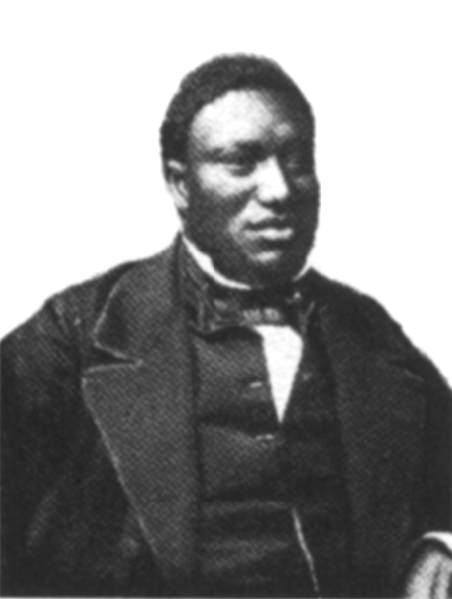
Samuel Ringgold Ward
In 1817, Samuel Ringgold Ward was born into slavery in Maryland. He was treated harshly and resented the entire system of chattel slavery. To escape this horrible system, Ward ran away, using the Underground Railroad to reach New York City. In New York, Ward became a school teacher and later a preacher.
His interest in journalism led him to the job of an editor of the Farmer and Northern Star. Wars became involved with the abolitionist movement that was very popular in New York. He, along with others founded the Liberty and Free-Soil parties, edited the Impartial Citizen in Boston and credited the Alienated American. Ward moved to Canada. (more…)
Black History, Government
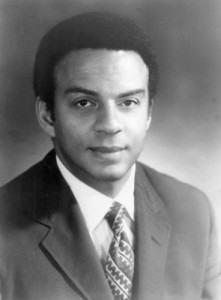
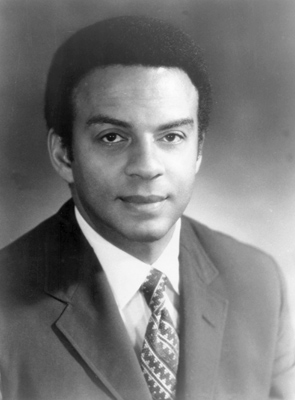
Andrew Jackson Young, Jr
A senior aide to Martin Luther King, Jr., in the Southern Christian Leadership Conference (SCLC) during the 1960s, Andrew Young had a meditative temperament that shaped his views as a proponent of nonviolent resistance. By the time he was sworn in to Congress in 1973, Young was committed to bringing King’s vision of civil rights to the nation and the world.1 His experiences in the grass-roots politics of the civil rights movement, combined with his diplomatic perspective and attitude, allowed Young to take principled but pragmatic stands for his constituents.
Andrew Jackson Young, Jr., was born in New Orleans, Louisiana, to Andrew and Daisy Fuller Young. His father was a dentist and his mother was a schoolteacher. (more…)
Black History, Literature, Slavery
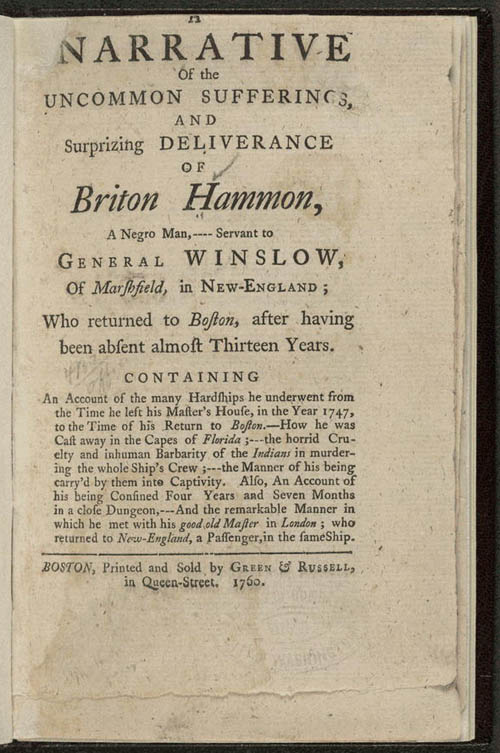
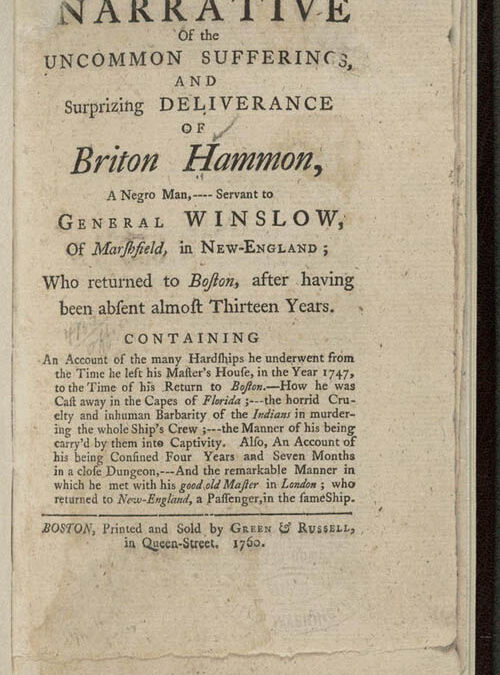
Briton Hammon Papers
On a December day in 1747 Briton Hammon, a slave to Major John Winslow of Marshfield, Massachusetts, walked out of town with, as he put it, `an Intention to go a voyage to sea.’ Tucked into the sandy bight of Cape Cod Bay, some thirty miles south of Boston, and reeking of tidal flats and Stockholm tar, Marshfield was a minor star in the galaxy of Britain’s commercial empire, and only a short walk from Plymouth, where Hammon shipped himself the next day `on board of a Sloop, Capt. John Howland, Master, bound to Jamaica and the Bay’ of Campeche for logwood.
Experienced at shipboard work, as were approximately 25 percent of the male slaves in coastal Massachusetts during the 1740s, Hammon had not run away. But like all black people in early America who wrought freedom where they could, nurtured it warily, and understood it as partial and ambiguous at best, Hammon seized the moment. (more…)
Black History, The Arts
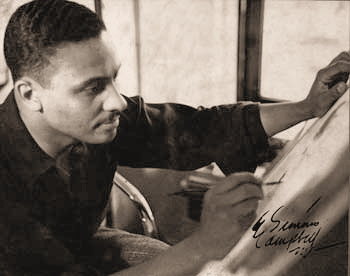
Elmer Simms Campbell
Elmer Simms Campbell (b. Jan. 2, 1906, St. Louis, Mo., U.S.–d. Jan. 27, 1971, White Plains, N.Y.), first black American cartoonist to publish his work in general-circulation magazines on a regular basis.
Campbell won a nationwide contest in cartooning while still attending high school. He later studied at the University of Chicago and the Art Institute of Chicago. He then worked as a railroad dining-car waiter, amusing himself by drawing caricatures of the passengers, one of whom liked his work and gave him a job in a commercial-art studio in St. Louis. (more…)
Black History, Music, The Arts
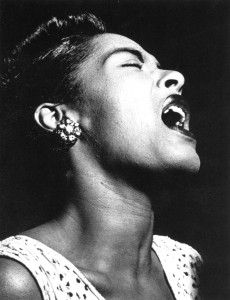
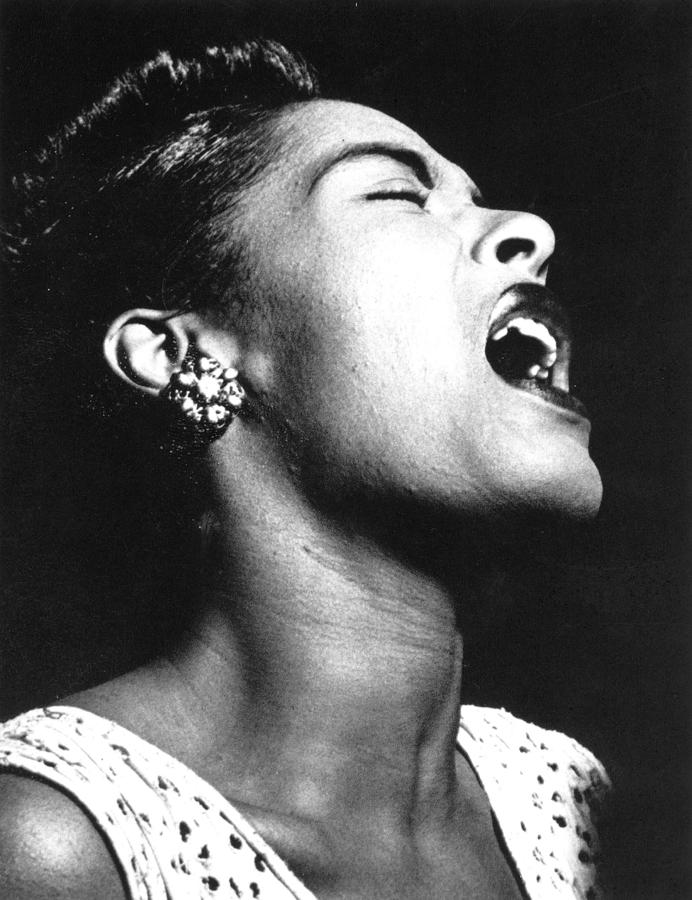
Billie Holiday
Billie Holiday was a true artist of her day and rose as a social phenomenon in the 1950s. Her soulful, unique singing voice and her ability to boldly turn any material that she confronted into her own music made her a superstar of her time. Today, Holiday is remembered for her masterpieces, creativity and vivacity, as many of Holiday’s songs are as well known today as they were decades ago. Holiday’s poignant voice is still considered to be one of the greatest jazz voices of all time.
Holiday (born Eleanora Fagan) grew up in jazz talent-rich Baltimore in the 1920s. As a young teenager, Holiday served the beginning part of her so-called “apprenticeship� by singing along with records by Bessie Smith or Louis Armstrong in after-hours jazz clubs. When Holiday’s mother, Sadie Fagan, moved to New York in search of a better job, Billie eventually went with her. She made her true singing debut in obscure Harlem nightclubs and borrowed her professional name – Billie Holiday – from screen star Billie Dove.
Although she never underwent any technical training and never even so much as learned how to read music, Holiday quickly became an active participant in what was then one of the most vibrant jazz scenes in the country. She would move from one club to another, working for tips. She would sometimes sing with the accompaniment of a house piano player while other times she would work as part of a group of performers. (more…)
Abolition, Black History
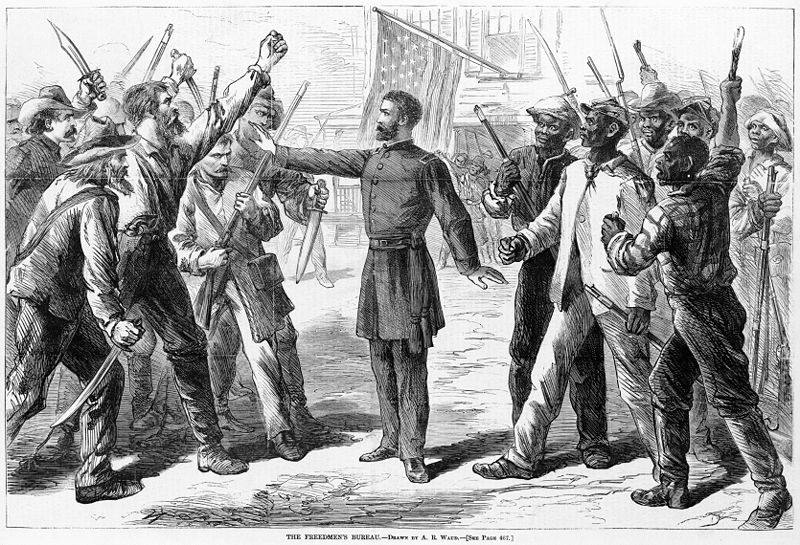
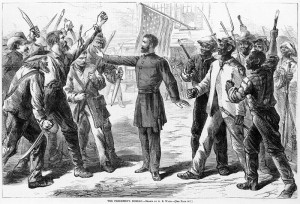 The Bureau of Refugees, Freedmen and Abandoned Lands, often referred to as the Freedmen’s Bureau, was established in the War Department by an act of March 3, 1865. The Bureau supervised all relief and educational activities relating to refugees and freedmen, including issuing rations, clothing and medicine.
The Bureau also assumed custody of confiscated lands or property in the former Confederate States, border states, District of Columbia, and Indian Territory. The bureau records were created or maintained by bureau headquarters, the assistant commissioners and the state superintendents of education and included personnel records and a variety of standard reports concerning bureau programs and conditions in the states.